
Travelling Histories: Books on Gypsy, Roma and Traveller History
Every June since 2008, people from across the UK have celebrated Gypsy, Roma and Traveller History Month. Through celebration, education and raising awareness, Gypsy, Roma and Traveller History Month helps to tackle prejudice, change the story, and amplify the voices of Gypsies, Roma and Travellers in wider society.
The first International Irish Traveller Day was introduced on 25 July 2025 to celebrate Irish Traveller culture and educate people on one of the UK’s oldest communities.
This list celebrates voices and stories from across the Gypsy, Roma and Traveller communities.
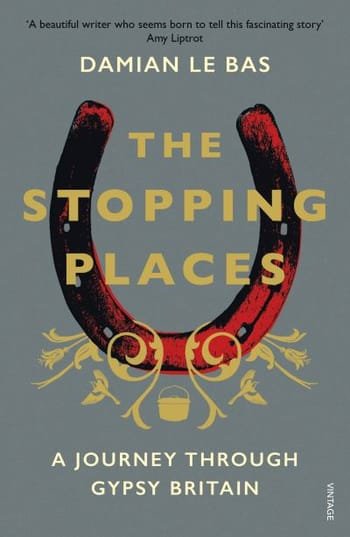
The Stopping Places
Damian Le Bas
Damian Le Bas grew up surrounded by Gypsy history. His great-grandmother would tell him stories of her childhood in the ancient Romani language. But his own experience of life on the road was limited to car journeys to sell flowers.
To better understand his Gypsy heritage, the history of the Britain’s Romanies and the rhythms of their life today, Damian sets out on a journey to discover the atchin tans – or stopping places – the old encampment sites known only to Travellers.
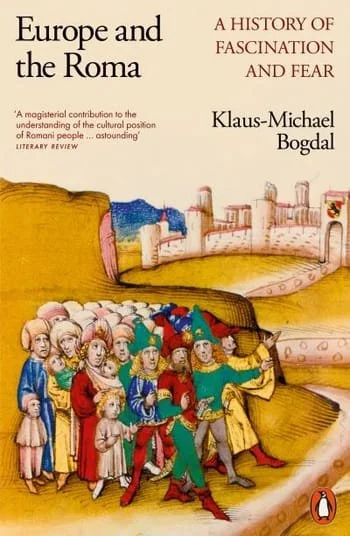
Europe and the Roma
Klaus-Michael Bogdal
This book describes a dark side of European history: the rejection of the Roma from their arrival in the Middle Ages to the present day. Over this period, the Roma spread out across the continent and became an important element in the European imagination
Bogdal brilliantly describes the ‘fascination and fear’ which have marked Europeans’ response to the Romani presence. The book also shows the link between cultural violence, social discrimination and racist policies that paved the way for Nazi genocide of the Roma.
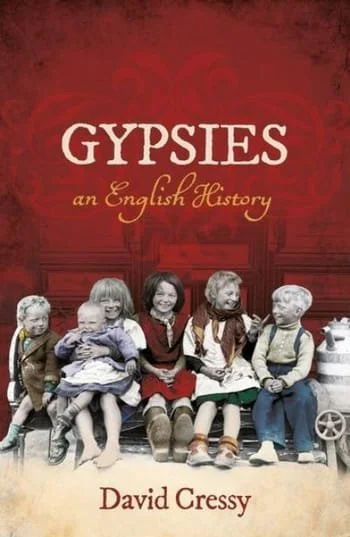
Gypsies: An English History
David Cressy
Gypsies have been both vilified and romanticised by the settled population over the centuries. David Cressy attempts to disentangle the myth from the reality of Gypsy life over more than half a millennium of English history.
In this, the first comprehensive historical study of Gypsies in England, he traces the many moments when Gypsy lives became entangled with those of villagers and townsfolk, religious and secular authorities, and social and moral reformers.
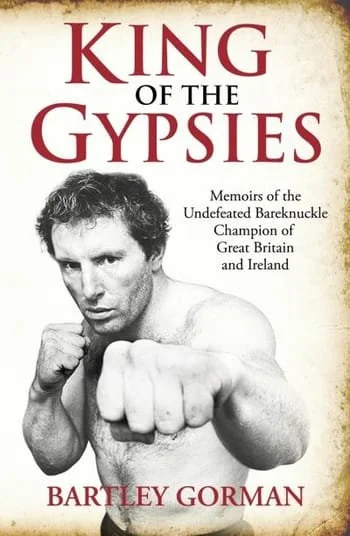
King of the Gypsies
Bartley Gorman
Bartley Gorman was the greatest bare-knuckle fighter of modern times. He reigned as King of the Gypsies for twenty years, beating all comers in illegal contests at fairs and racetracks, down mineshafts and in quarries, on campsites and car parks. He fought for honour and pride and became a legend among the travelling community.
In this autobiography, completed shortly before his death, Gorman lays bare the secret world of illicit prize-fighting.
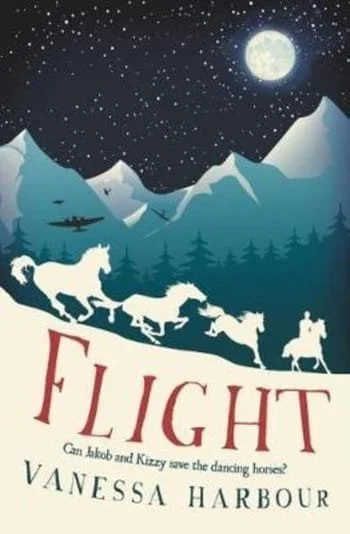
Flight
Vanessa Harbour
In 1945 Jakob shelters with Herr Engel in a rural Austrian stable, where they hide valuable stallions they know Hitler wants to steal. When a German officer comes looking for Jakob and finds the horses, Jakob and his guardian know they must get the stallions to safety, but the only way is through Nazi territory.
Joined by Romani orphan Kizzy, the three must guide the horses across the Austrian mountains. Will they reach safety? What will be waiting for them on the other side?
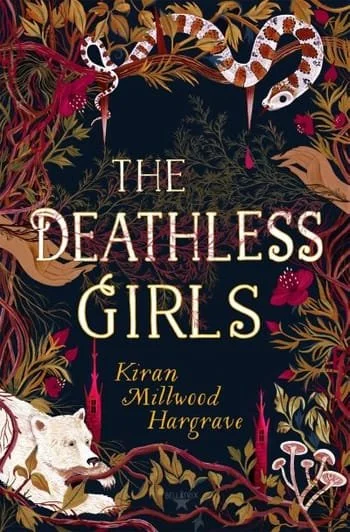
The Deathless Girls
Kiran Millwood Hargrave
Gothic, intoxicating, feminist and romantic – this is the untold story of the brides of Dracula.
On the eve of her divining, the day she'll discover her fate, seventeen-year-old twins Lil and Kizzy are captured by the cruel Boyar Valcar, and taken far away from their beloved traveller community. Here, Lil learns about the Dragon, a mythical figure who takes girls as gifts.
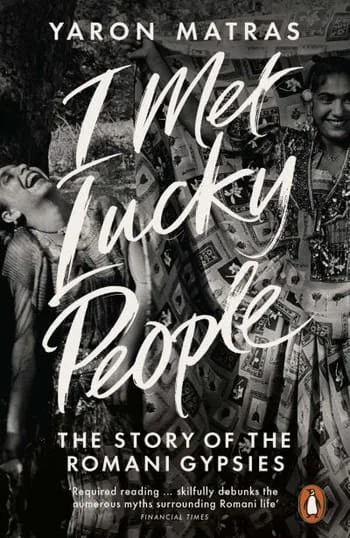
I Met Lucky People
Author Name
Who are the Romani people? As one of the last remaining societies in the Western hemisphere with a strictly oral culture, they have no written record of their history that can be consulted.
Matras gives us the first comprehensive account of Romani culture, language and history. It is a story of the echoes of a rich past left in language and customs, and of how the changing fortunes of Europe throughout the centuries have been imprinted on Romani culture.
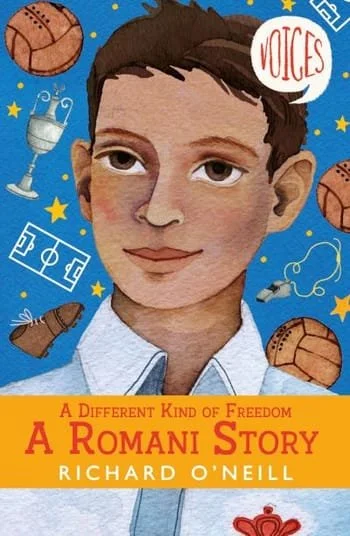
A Different Kind of Freedom
Richard O’Neill
This action-packed story is told through the eyes of young Lijah, as he navigates life and discovers football and the legendary Rab Howell.
In this heart-stopping adventure, Richard O’Neill shows us an important and intriguing time in Britain that’s sure to fascinate young readers.
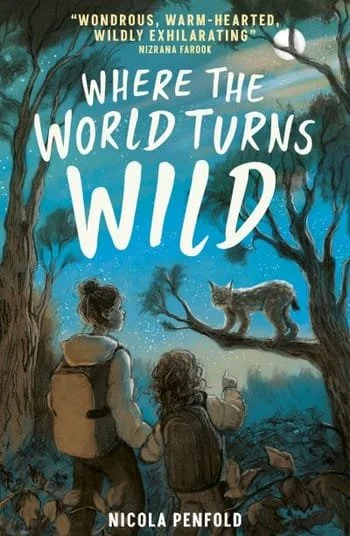
Where the World Turns Wild
Nicola Penfold
Juniper Greene lives in a walled city from which nature has been banned, following the outbreak of a man-made disease years earlier. But she and her brother Bear have always known about their resistance to the disease, and dream of escaping into the wild to where their mother is.
When scientists discover that the siblings provide the key to fighting the disease, the pair must flee for their lives. They soon learn that there’s cruelty in nature as well as beauty. Will they ever find the home they’re searching for?
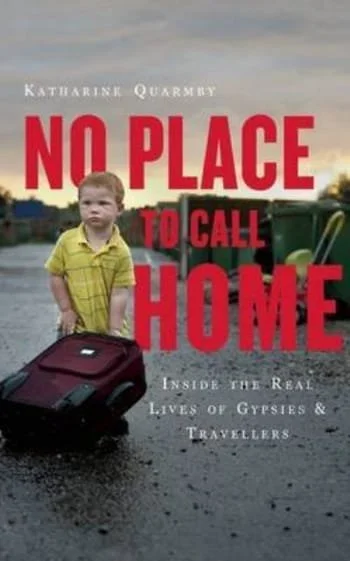
No Place to Call Home
Katharine Quarmby
For centuries the Roma have wandered Europe; during the Holocaust half a million were killed. After World War II, a wave of Irish Travellers moved to England. Then, as Occupy was taking over Wall Street and London, the vocal Dale Farm community in Essex was evicted from their land. But they put up a fight.
Katharine Quarmby takes us into the heat of the battle, following the Sheridan, McCarthy, Burton and Townsley families before and after the eviction. No Place to Call Home is a stunning narrative of long-sought justice.