
Being Well: Books for Stress Awareness Month
April is Stress Awareness Month, so we have put together a self-care toolkit to feed and nurture our capacity for wellbeing. From fiction to science and self-help, here’s a selection of books tackling the all-too-common issues of stress and burnout.
Our libraries also host a special collection of books on health and wellbeing called Reading Well, which deals with specific topics from Depression to OCD and a lot more. Ask your local librarian if you would like to know more.
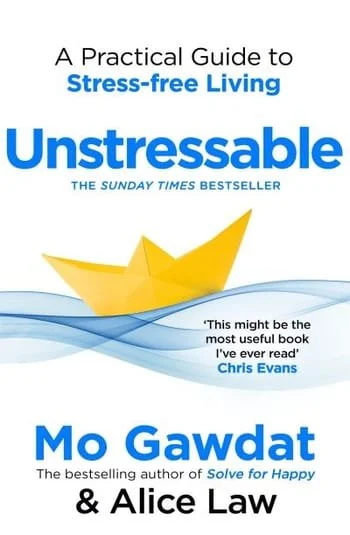
Unstressable
Mo Gawdat
In this guide to stress-free living, Mo explains how he made it through the most stressful times in his life. He touches on the idea of post-traumatic growth – both on a personal level and in response to huge events that affected all of us, such as the Covid pandemic.
Practical exercises will help you build up the skills to manage stress no matter your circumstances, backed up by neuroscience and accessible psychology.
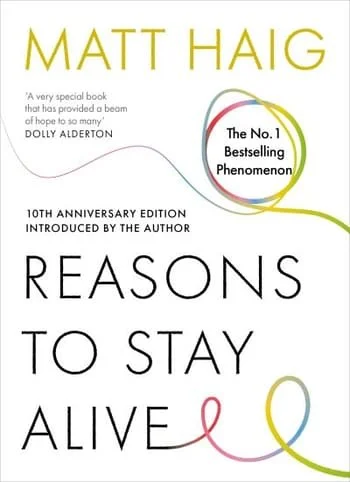
Book Title 2
Author Name
Aged 24, Matt Haig’s world caved in. He could see no way to go on living. This is the true story of how he came through crisis, triumphed over an illness that almost destroyed him, and learned to live again.
A moving, funny and joyous exploration of how to live better, love better and feel more alive, Reasons to Stay Alive is more than a memoir. It is a book about making the most of your time on earth.
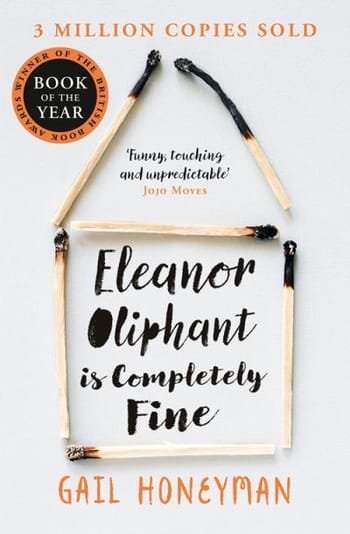
Eleanor Oliphant Is Completely Fine
Gail Honeyman
Eleanor Oliphant is happy. Nothing is missing from her careful life. Except, sometimes, everything.
One simple act of kindness is about to shatter the walls Eleanor has built around herself. She must learn how to navigate the world that everyone else seems to take for granted – while searching for the courage to face the dark corners she’s avoided all her life.
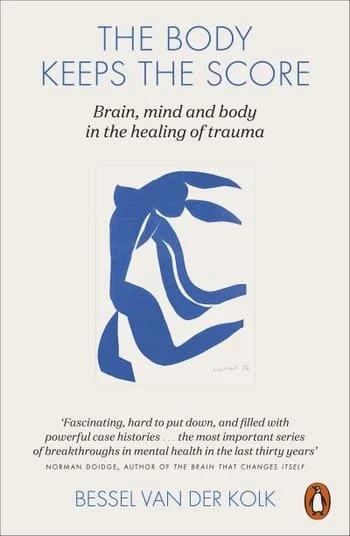
The Body Keeps the Score
Bessel van der Kolk
The effects of trauma can be devastating for sufferers, their families and future generations. Here one of the world’s experts on traumatic stress offers bold new models for treatment.
Moving away from standard talking and drug therapies, the book explores alternative approaches that heal mind, brain and body.
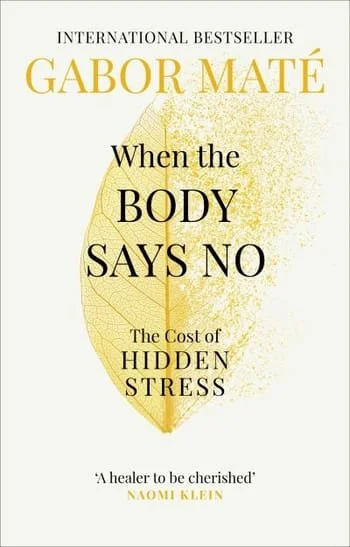
When the Body Says No
Gabor Maté
Can a person literally die of loneliness? Is there a connection between the ability to express emotions and disease?
With compassion, warmth and empathy, Dr Gabor Maté draws on deep scientific research and his acclaimed clinical work to answer questions about the mind-body link. He illuminates the role that stress and our emotional makeup play in a lot of of common diseases.
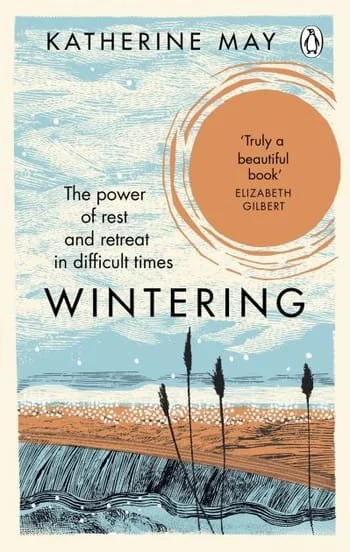
Wintering
Katherine May
Wintering is a poignant and comforting meditation on times when we must retreat to care for and repair ourselves.
Katherine May models an active acceptance of sadness and finds nourishment in deep retreat, joy in the hushed beauty of winter, and encouragement in understanding life as cyclical, not linear. A secular mystic, May forms a guiding philosophy for transforming the hardships that arise before the start of a new season.
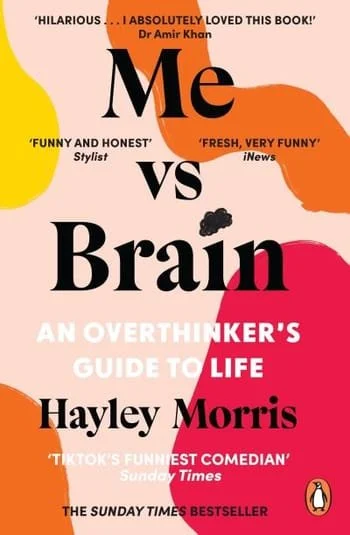
Me vs Brain
Hayley Morris
Hayley Morris shows that being an overthinker is both a blessing and a curse. She confronts the funny (if painful) moments that arise when your brain and body refuse to cooperate and your inner voice won't shut up.
This book is for any reader hoping to befriend their brain, even when it’s “scatty, annoying, and wrong about basically everything”.
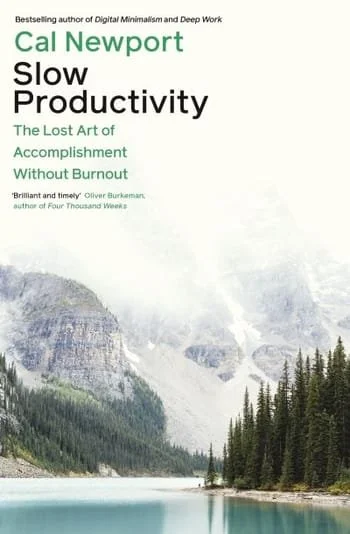
Slow Productivity
Cal Newport
Our definition of ‘productivity’ is broken. It leads to impossible task lists and endless meetings. We’re overwhelmed and on the edge of burnout, left to decide between hustle culture or rejecting ambition. But are these really our only choices?
From rethinking workload management, to introducing seasonal variation, to shifting towards long-term quality, Newport aims at a more timeless approach to pursuing accomplishment. The world of work is due a revolution. Slow productivity is exactly what we need.
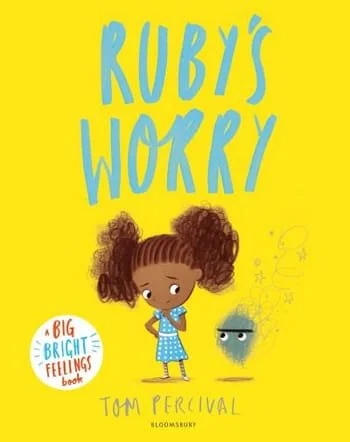
Ruby’s Worry
Tom Percival
Ruby loves being Ruby. Until, one day, she finds a worry.
At first it’s not such a big worry, and that’s all right, but then it starts to grow. It gets bigger and bigger every day and it makes Ruby sad. How can Ruby get rid of it and feel like herself again?
A perceptive and poignant story that is a must-have for all children’s bookshelves.
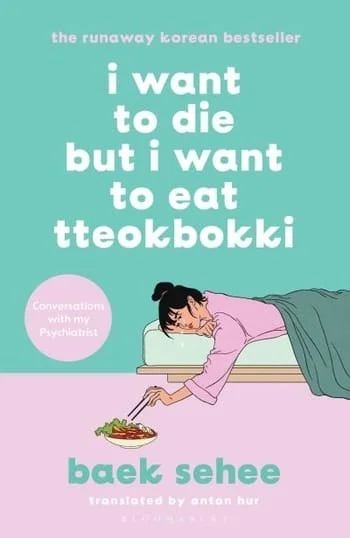
I want to die but I want to eat tteokbokki
Baek Sehee
Baek Sehee begins seeing a psychiatrist about her depression. She hides her feelings well at work and with friends, but the effort is exhausting. This can’t be normal. But if she’s so hopeless, why can she always summon a desire for the hot, spicy rice cake, tteokbokki? Is this just what life is like?
Part memoir, part self-help book, this is a book to keep close and to reach for in times of darkness.