
Hackney: An Incomplete History
Photographer Neil Martinson documents the changes in Hackney with seven free exhibitions
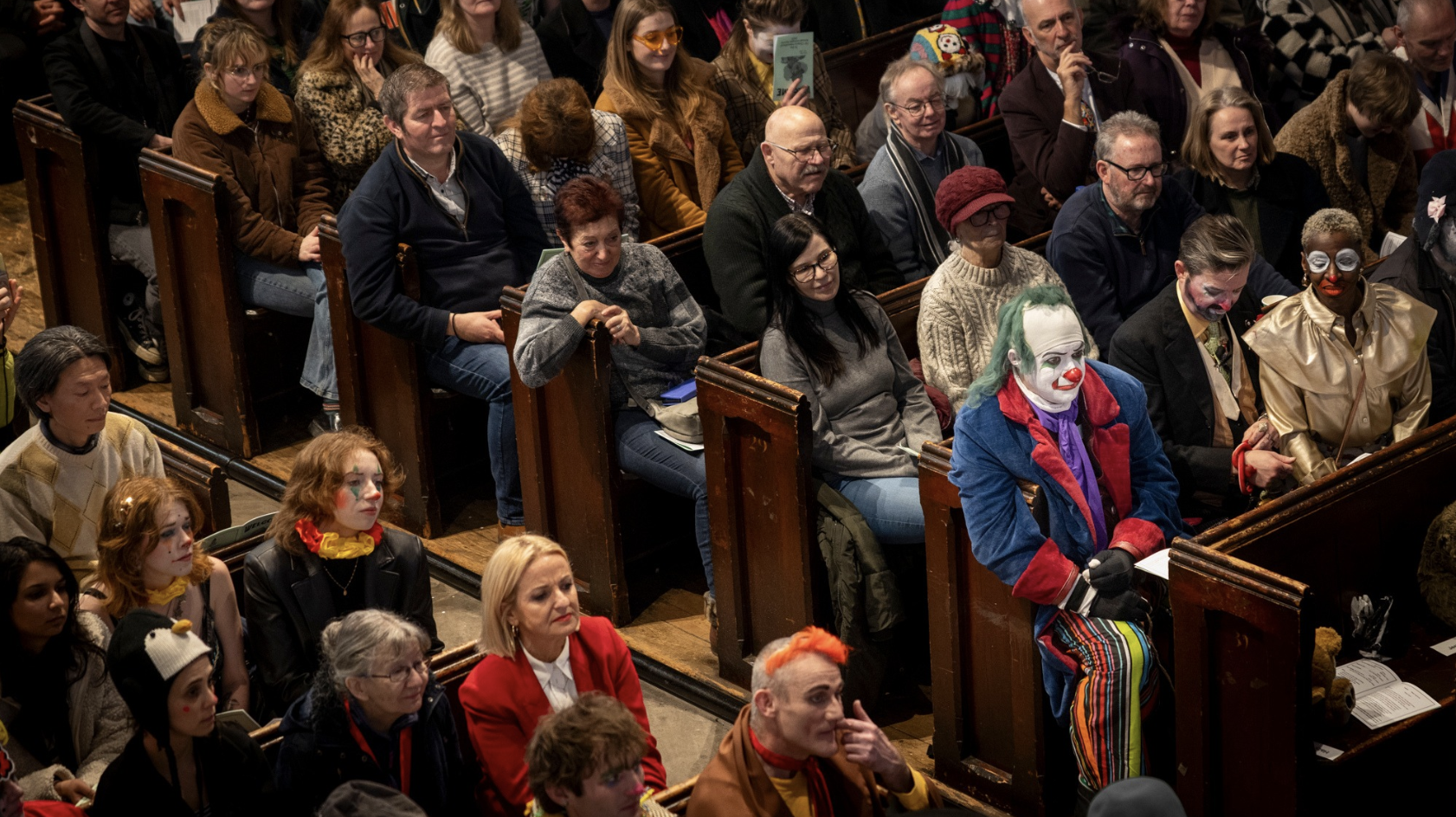
Grimaldi Service, All Saints, 2025. Photo: Neil Martinson
“Hackney is where I was brought up. Hackney made me, for better or for worse,” says photographer Neil Martinson, whose largest ever body of work is currently being exhibited in seven spaces across the borough.
Drawing on his own unique archive stretching back to the 1970s and 80s, Neil’s current project, called ‘Hackney: An Incomplete History’, explores the profound social, political, and economic shifts that have reshaped the area.
Neil explains: “I first started taking photos while at Hackney Downs School when I was just 17 years old. I documented working class life in Hackney extensively in the 70s and 80s.
“It was a time of factory closures, slum houses and protests. People were leaving.”
Now 72, Neil started looking over his decades-old pictures in 2019. He says: “I wanted to look to see if there was a story there. I went back to some of the places where I'd taken pictures before.
“I started to document life in Hackney again, to look at the changes and what remains. I’m interested in the way places affect people and how people affect the place.”
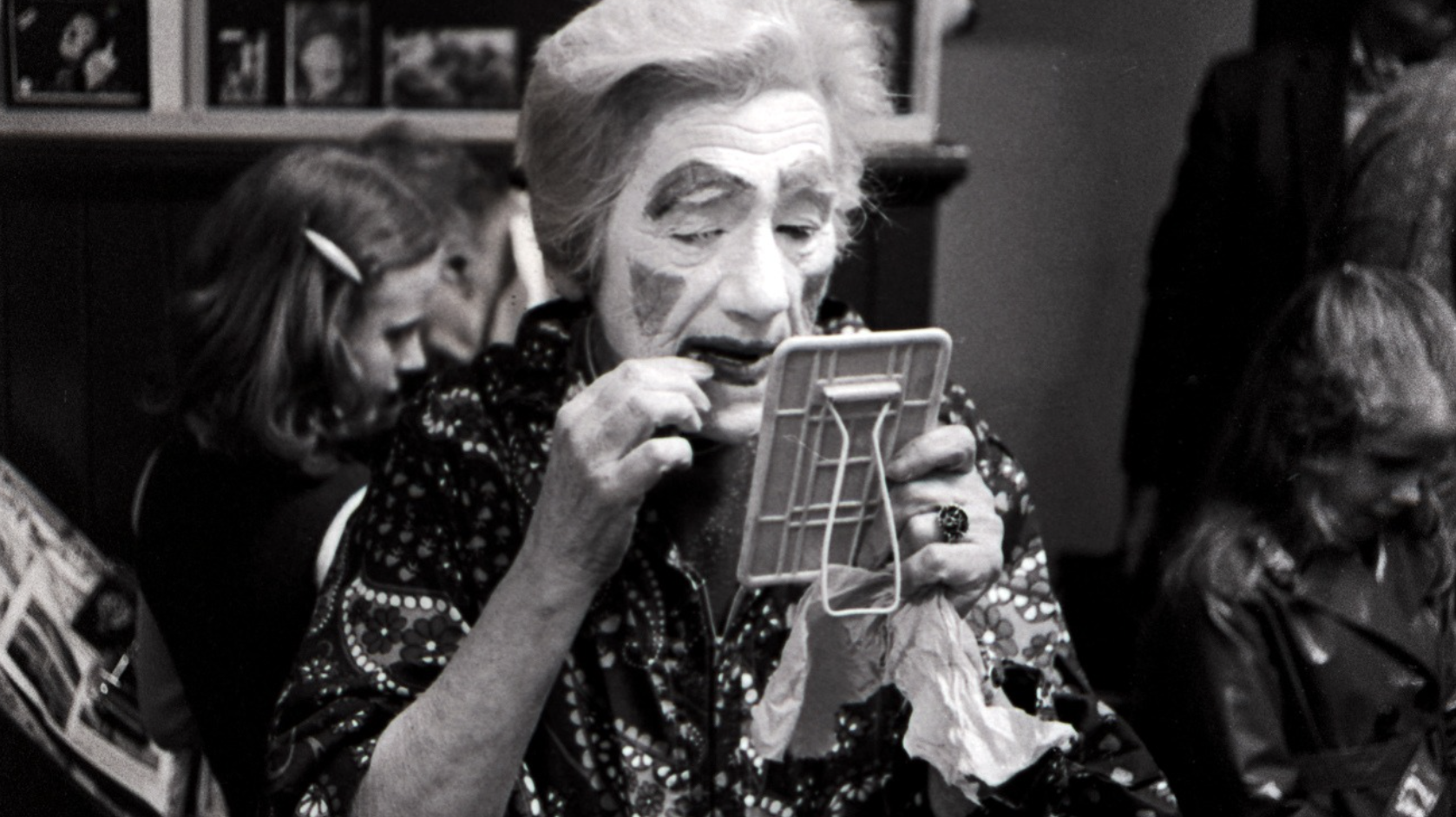
Grimaldi Service, Holy Trinity Dalston, 1975. Photo: Neil Martinson
That journey revealed stark transformations. In Upper Clapton, Initial Cleaning Services once employed around 200 people, mostly women doing heavy manual work for low pay.
Today, the factory has been replaced by a self-storage facility. As Neil notes: “What struck me about that was it only employs about two or three people.
“But also, the notion that if you had said to somebody in the 70s or 80s, ‘hey, you've got so much stuff, you can pay someone to look after it’. It would have been inconceivable!”
Similarly, Simpsons – once one of the largest private sector employers in Hackney – employed 2,500 people in a state-of-the-art tailoring factory.
“Many of the people who worked there lived locally. Simpsons was a British company, so it paid taxes in the UK,” Neil explains.
Today, the old building houses vintage stores like Beyond Retro. “It doesn't create a lot of employment,” he adds, “and a lot of the money goes out of the UK.”
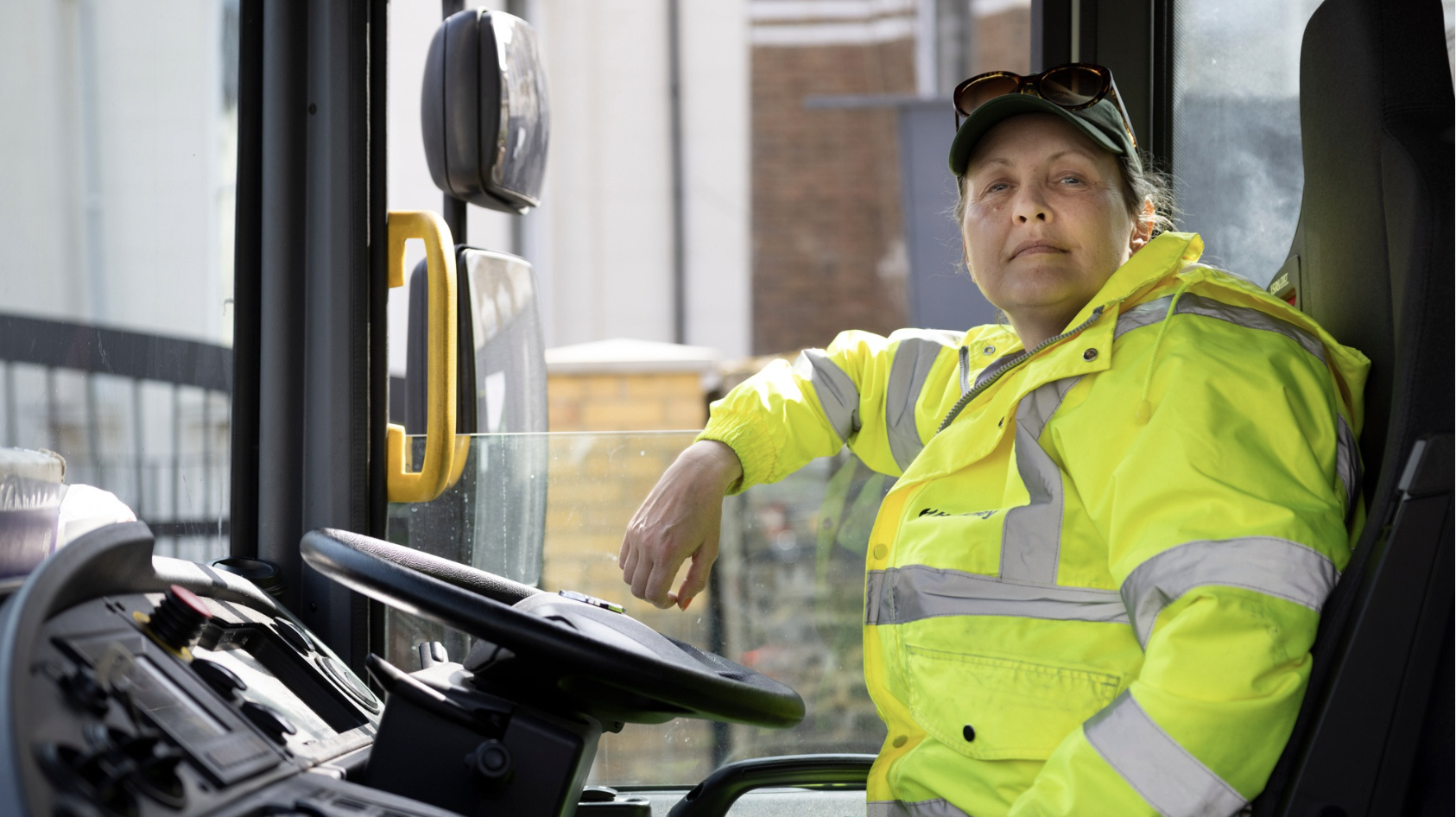
Lizanne Davies, Refuse driver, Hackney Council, Photo: Neil Martinson
Neil’s lens also charts the collapse of manufacturing and the rise of an insecure service economy marked by delivery riders, hand car washers, dog walkers and tattoo studios, which were non-existent in the 1970s.
Yet the core of the work remains intensely human. “I like photographing people because everyone has stories and I interview them too,” Neil says. “It tells you about people’s experiences and how they see the world.”
Avoiding traditional art galleries, Neil has intentionally staged his exhibitions in local cafes and community centres.
He explains: “I want local people to be able to see them and not make a special trip. There are certain spaces that people feel like they can't go to.”
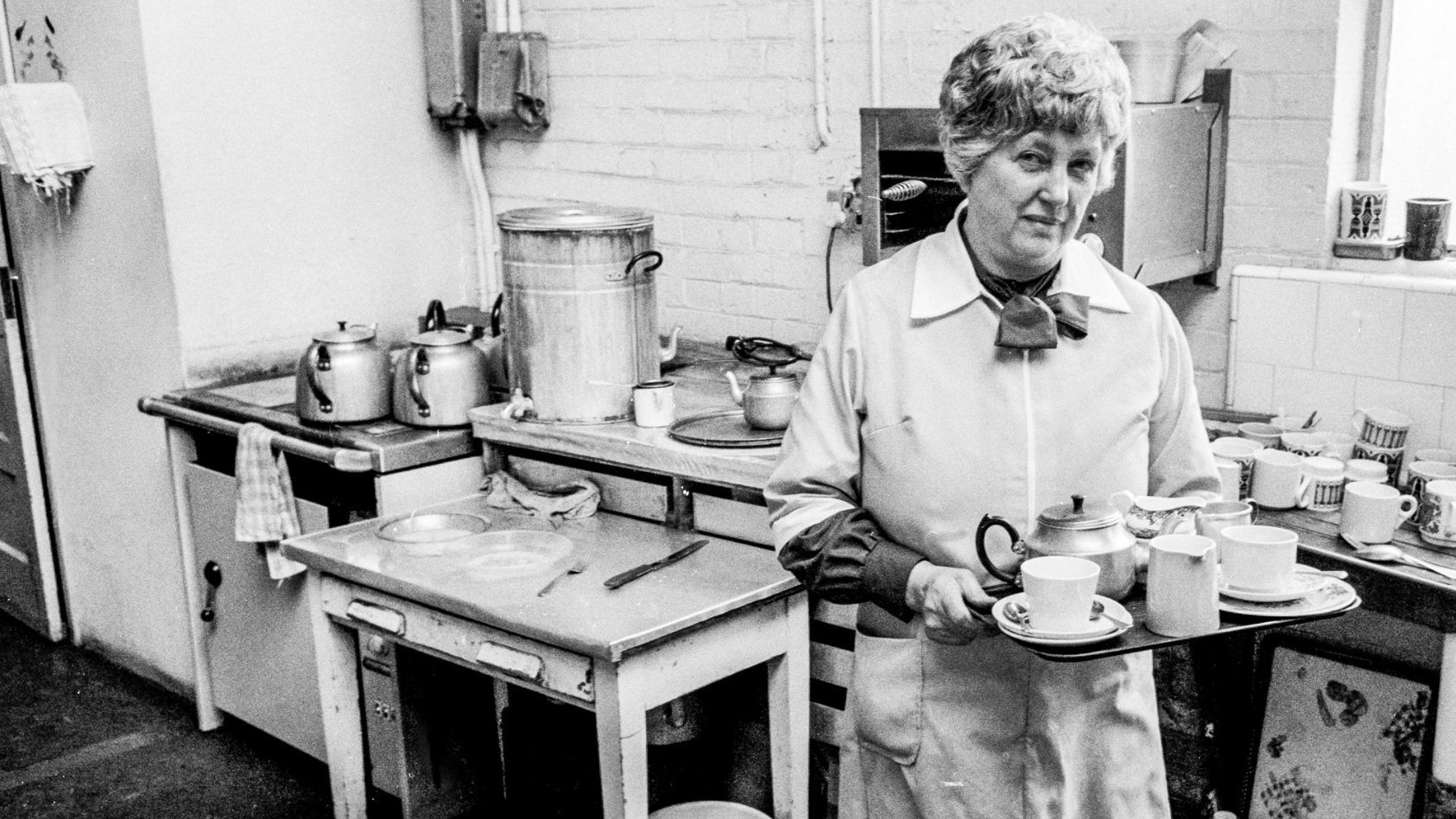
Tea lady, Hackney Town Hall, 1981. Photo: Neil Martinson
The seven exhibitions, supported by Hackney Council, show only a small part of Neil’s collection, which he hopes to turn into a book.
They are: The first Hackney Festival to the last Hackney Carnival; Clowns and a Hackney Church; Ridley Road through time; 20th - 21st century work; Working the River; Protest and Resistance; and Purim in Hackney
Ultimately, the project champions an overlooked narrative. “For so many years working class people were hidden from history,” Neil reflects.
“Given the changes in Hackney I’d hope people would see these exhibitions and ask questions and be curious about where we are now.”